title>The Impact and Importance of Extracurricular Activities in Education - BrilliantParenting101.com
The Impact and Importance of Extracurricular Activities in Education
BrilliantParenting101.com delves into the vital role that extracurricular activities play in a child's educational journey. We take an informative look at how these activities enrich not only the learning process, but also catalyze the enhancement of social skills, promote teamwork, and support overall developmental growth.
What Are Extracurricular Activities?
Extracurricular activities are those that fall outside the scope of regular school curriculum. These activities can include various team sports, academic clubs, performing arts, and voluntary associations, among others. They are typically organized and conducted outside regular school hours.
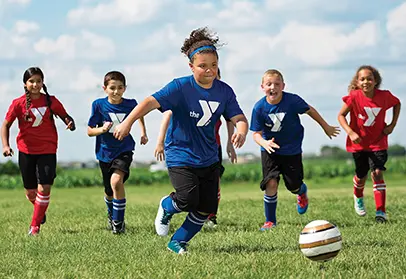
Example extracurriculars include: Sports Teams (e.g., soccer, basketball), Music Lessons (e.g., piano, violin), Art Classes (e.g., painting, sculpting), Drama Club or Theater, Coding or Robotics Clubs, Martial Arts (e.g., karate, judo), Language Classes (e.g., Spanish, Mandarin), Environmental or Science Clubs.
Why Are Extracurricular Activities Important?
The importance of extracurricular activities in a child's educational experience cannot be overstated. They offer a variety of benefits that assist in enhancing a student's cognitive and personal development beyond ordinary academic learning.
Cognitive Effects and Learning Enhancement
Extracurricular activities offer a unique practical learning aspect that complements classroom education. These activities encourage critical thinking, problem-solving, and various other skills. They challenge students to apply what they learn in new and unfamiliar situations, fostering adaptability and resilience.
Social Skills Development
Extracurricular activities are also a rich source of peer interaction. Regular involvement encourages communication, conflict management, and leadership skills. By working as a team in sports or cooperating in clubs, students learn to build relationships, understand different perspectives, and respect diversity.
Personal Development
Beyond cognition and social dynamics, these activities contribute significantly to personal growth. Engaging in varied activities helps students explore personal interests, identify passions, and build self-confidence. It promotes overall mental wellbeing, reducing levels of stress and anxiety.
Career Preparation
Extracurricular activities often serve as the first exposure to career-oriented skills. Leadership roles in clubs, sports teamwork, or volunteer service can offer students real-life experience that can be applicable in their future careers.
The Impact of Extracurricular Activities
-
Improved Academic Performance: Research indicates a positive connection between participation in extracurricular activities and improved academic performance. This is often attributed to the development of skills such as time management, responsibility, and discipline.
-
Increased Attendance Rates and Reduction in Drop Out: Students involved in these activities often have higher school attendance. The interest such activities cultivate ensures a sense of belongingness and commitment towards their school.
-
Better Behavior: Participation boosts self-esteem and teamwork values, reducing tendencies of behavioral issues.
-
Increased Opportunities for College Admissions: Colleges and universities often consider a student's involvement in extracurricular activities during their admission process as it signifies well-rounded development.
How Can Parents Encourage Extracurricular Involvement?
-
Identify Interests: Understand your child's interests to help them select appropriate extracurricular activities.
-
Balance: Ensure a balance between schooling, extracurricular activities, and rest.
-
Encourage Personal Choice: Allow your child to choose the extracurricular they participate in to enhance commitment.
-
Be Supportive: Show interest in their activities and be present at events when possible.
Frequently Asked Questions About Extracurricular Activities
How Can Extracurricular Activities Benefit My Child's Academic Performance?
Participation in extracurricular activities often results in improved academic performance due to enhanced time management, discipline, and responsibility. These activities require students to balance their time effectively between academics and the activity, promoting self-discipline and leading to increased focus on academic responsibilities.
Do Colleges Look At Extracurricular Activities?
Yes, colleges and universities seriously consider students' involvement in extracurricular activities during the admissions process. They value applicants who have demonstrated dedication and involvement beyond academic commitments, viewing such students as likely to significantly contribute to the campus community.
Are There Any Disadvantages to Extracurricular Activities?
While the advantages of participating in extracurricular activities greatly outweigh any potential disadvantages, it's worth noting that over-involvement can lead to stress and burnout. It’s essential for students to maintain a balance between their academic responsibilities, extracurricular activities, and adequate rest.
How Can I Encourage My Child to Participate in Extracurricular Activities?
Parents can encourage participation by finding out the interests of their children. Also, it helps to facilitate a well-balanced routine for the child. Showing support and enthusiasm for their activities and being consistent in your presence during their events will ensure they remain committed.
In conclusion, extracurricular activities play a significant role in amplifying the benefits of formal education. By comprehending the various benefits and strategic ways to encourage participation, parents can supplement their child's academic learning with extracurricular activities to ensure all-round development.
Here it is the list of 50 more activities you can consider
- Soccer Team
- Basketball Team
- Volleyball Team
- Tennis Club
- Music Lessons (Piano/Violin)
- Art Club (Painting/Sculpting)
- Drama Club / Theater
- Coding Club
- Robotics Club
- Chess Club
- Debate Team
- Public Speaking Club
- Science Club
- Environmental Club
- Photography Club
- Yearbook Committee
- Student Government
- Film / Media Club
- Journalism Club
- Fashion Club
- Culinary / Cooking Club
- Environmental STEM Outreach
- Astronomy Club
- Math Club
- Language Conversation Club
- Language Exchange Buddy
- Drama Tech Crew
- Orchestra / Band
- Dance Team
- Martial Arts Club
- Volunteer / Community Service Club
- Coding Hackathons
- Robotics Competition Team
- App Development Club
- Web Design Club
- Creative Writing Club
- Poetry Club
- Mental Health Awareness Club
- First Aid / CPR Club
- Business / Entrepreneurship Club
- Social Justice Club
- Film Production Club
- Robotics Outreach
- Math Tutoring Club
- Environmental Stewardship Club
- History / Model UN Club
- Science Fair Club
- DIY Maker Club
- Jewelry Making Club
- Gardening Club